
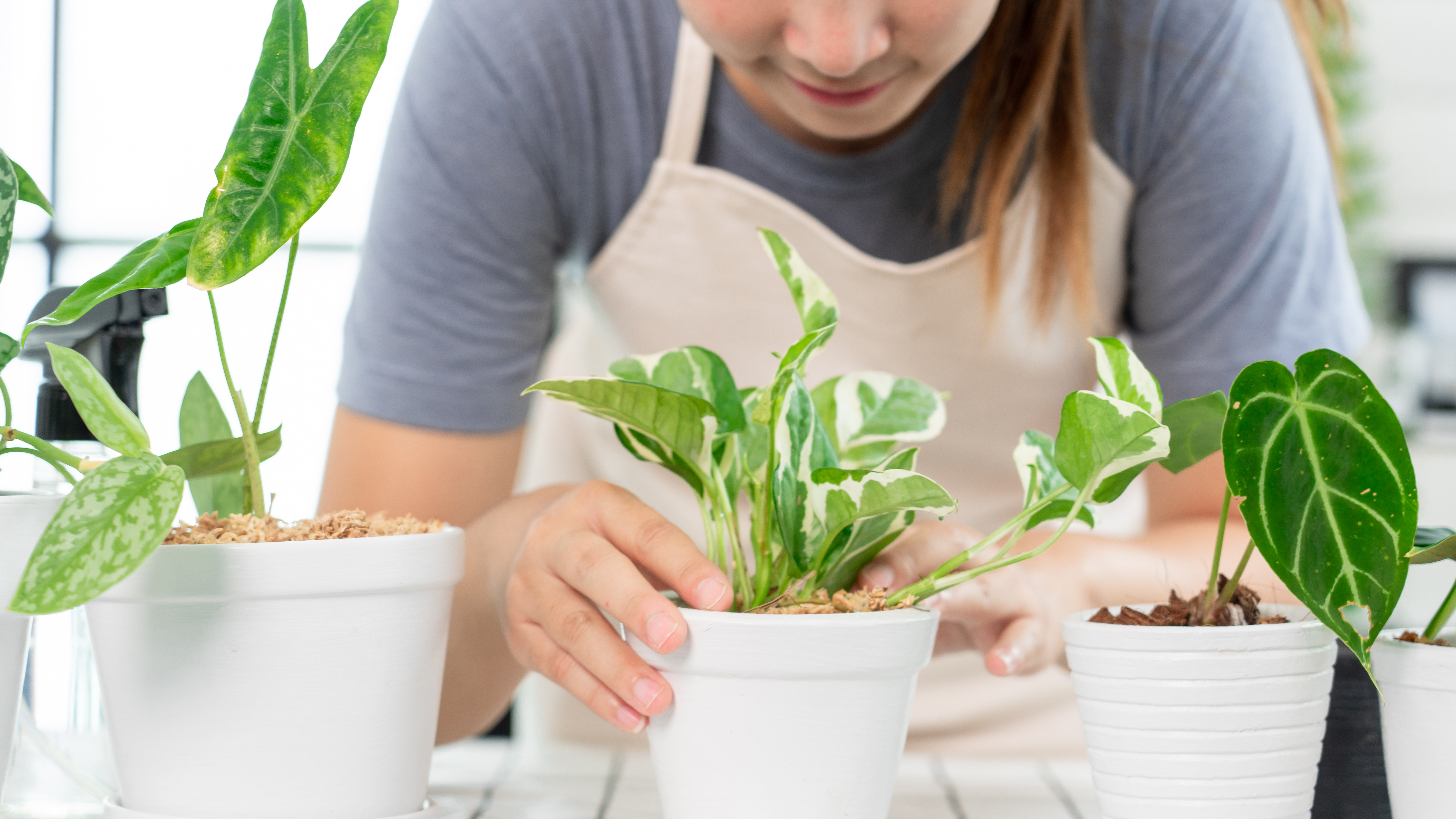
How Plants Can Brighten Both Rooms and Mood
In recent years, houseplants have become far more than a passing interior trend. From small city flats to large family homes, greenery is appearing in almost every type of living space. Yet the growing popularity of indoor plants is not simply about aesthetics — it is also about wellbeing.
As people spend more time at home, many are discovering that plants can completely change the atmosphere of a room. They add colour, softness, and life to interiors, while also helping spaces feel calmer and more welcoming. In many ways, bringing nature indoors has become one of the simplest ways to improve both the look of a home and the mood of the people living in it.
Why Greenery Makes Spaces Feel Better
There is something naturally comforting about plants. Even a single plant can make a room feel fresher, brighter, and more relaxed. Interior designers often use greenery to soften modern spaces, particularly in homes with neutral colours, clean lines, or minimalist décor.
Plants also help rooms feel less sterile. In modern homes filled with technology, screens, and artificial lighting, greenery introduces a sense of balance and warmth.
This connection to nature is especially valuable in busy urban areas, where outdoor green space can sometimes feel limited.
The Link Between Plants and Wellbeing
Studies have shown that being around nature can help reduce stress and improve mood. While indoor plants may seem like a small addition, many people say they create a noticeable sense of calm at home.
Caring for plants can also become part of a slower, more mindful daily routine. Watering, pruning, and simply taking time to notice growth encourages people to slow down and focus on their surroundings.
For those working from home, plants are often used to make home offices feel less clinical and more comfortable. Adding greenery to workspaces can help create a calmer environment and make long days indoors feel more manageable.
Plants as Part of Interior Design
Houseplants are now considered an essential part of modern interiors. Rather than being treated as decoration alone, they are used to shape the overall atmosphere of a space.
Large leafy plants can make empty corners feel softer and more inviting, while smaller plants bring life to shelves, kitchens, and bathrooms. Hanging plants, indoor trees, and herb gardens have all become increasingly popular in contemporary homes.
Natural materials such as wood, linen, and stone are also often paired with greenery to create interiors that feel warm and grounded.
Easy Ways to Introduce Plants at Home
One reason plants have become so popular is that they are accessible. Creating a greener home does not require a large budget or major redesign.
Simple additions can make a difference, including:
• A small plant on a bedside table
• Herbs in the kitchen
• Larger plants in unused corners
• Hanging greenery near windows
• Low-maintenance plants for busy households
Even a few touches of greenery can help a room feel brighter and more lived-in.
More Than a Trend
While interior trends often come and go, the appeal of houseplants appears to be lasting. They offer something many people are looking for in modern life — comfort, calmness, and a stronger connection to nature.
As homes increasingly become places for rest, work, and wellbeing, plants are proving to be far more than decorative accessories. They are helping people create spaces that feel healthier, softer, and more enjoyable to live in. Because sometimes, improving a home does not require major renovation. Sometimes, it starts with something as simple as bringing a little greenery indoors.
You might also be interested in

Sep 25, 2026
Homes Designed For Modern Family Life
The modern British family home has a lot to cope with. It needs to provide somewhere to cook, eat, sleep, work, study, exercise, relax and entertain. It needs to handle children's toys, school bags, p