
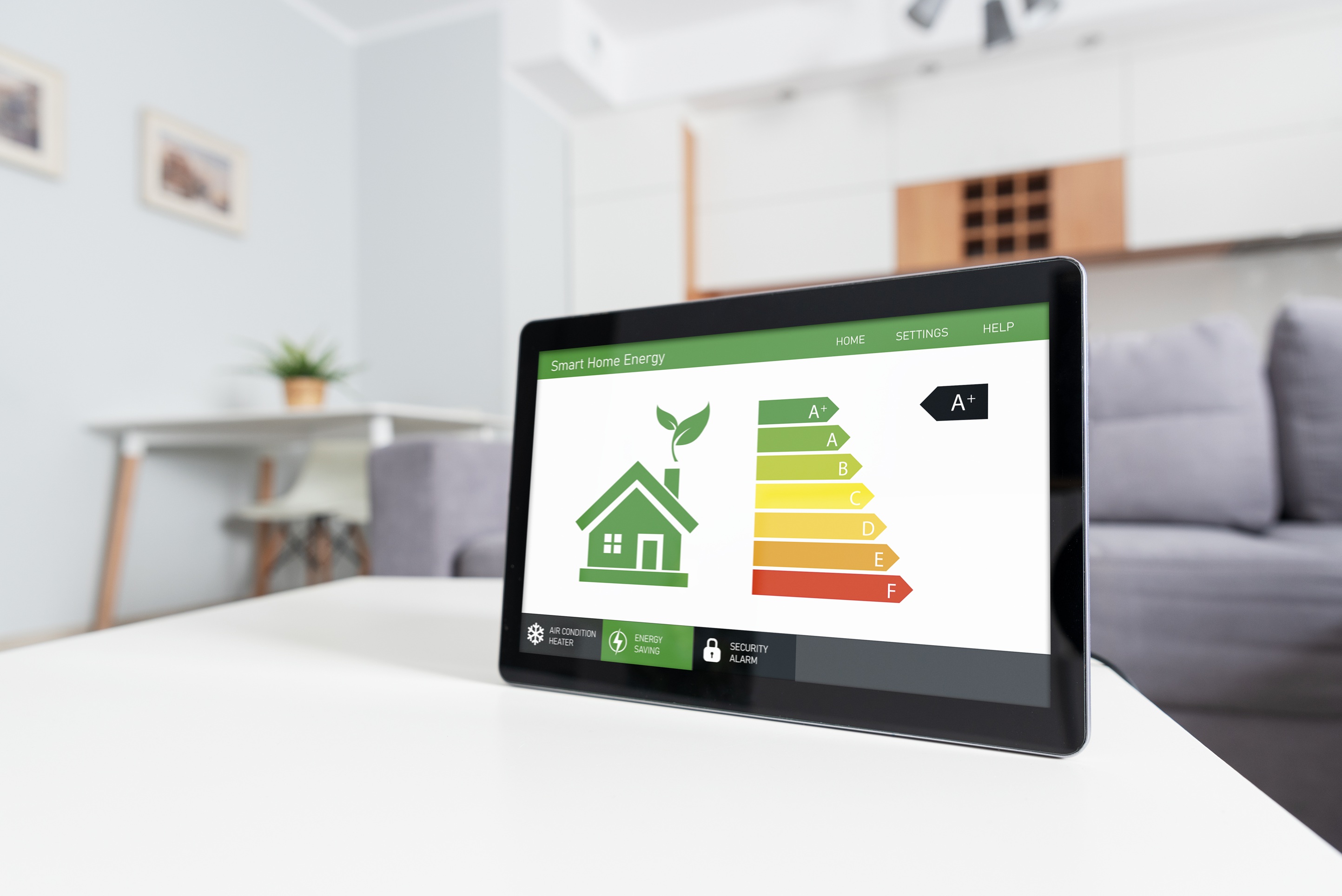
How to Make Your Home More Energy Efficient Before Selling
If you’re planning to sell your home this year, improving its energy efficiency is one of the smartest moves you can make. Not only can it increase your property’s value, but it also makes your home far more attractive to today’s buyers, who are increasingly conscious of energy costs and environmental impact.
In this guide, we’ll walk you through practical, cost-effective ways to boost your home’s energy efficiency before putting it on the market.
Why Energy Efficiency Matters When Selling Your Home
Energy efficiency is no longer just a “nice to have” — it’s a key selling point. With rising utility bills across the UK, buyers are actively looking for homes that are cheaper to run. A more energy-efficient home can:
• Improve your EPC (Energy Performance Certificate) rating
• Increase buyer interest and reduce time on the market
• Potentially boost your asking price
• Help your property stand out in a competitive market
1. Improve Your EPC Rating
Before making any changes, check your current EPC rating. This report highlights how energy efficient your property is and provides recommendations for improvement.
Simple upgrades like insulation or lighting changes can make a noticeable difference to your score, which buyers will see immediately when browsing listings.
2. Upgrade Your Insulation
Poor insulation is one of the biggest causes of heat loss in UK homes. Focus on:
• Loft insulation – one of the most cost-effective upgrades
• Cavity wall insulation (if applicable)
• Floor insulation for older properties
Good insulation helps retain heat, lowers energy bills, and makes your home feel warmer during viewings — a subtle but powerful advantage.
3. Switch to Energy-Efficient Lighting
Replacing old bulbs with LED lighting is a quick win. Benefits include:
• Lower energy consumption
• Longer lifespan
• Brighter, more modern appearance
This small upgrade can instantly improve both efficiency and presentation.
4. Upgrade Your Boiler or Heating System
Heating accounts for a large portion of a home’s energy use. If your boiler is old or inefficient, upgrading to a modern, energy-efficient model can be a strong selling point. If a full replacement isn’t feasible, consider:
• Servicing your existing boiler
• Installing a smart thermostat
• Bleeding radiators to improve efficiency
5. Seal Draughts and Improve Windows
Draughty homes are a red flag for buyers. You can improve this by:
• Sealing gaps around doors and windows
• Adding draught excluders
• Installing double or triple glazing (if within budget)
Even minor fixes can make your home feel noticeably more comfortable.
6. Consider Renewable Energy Options
While not essential, renewable features can significantly boost appeal. Options include:
• Solar panels
• Air source heat pumps
• Solar water heating systems
These upgrades can position your property as future-proof and environmentally friendly.
7. Install a Smart Meter or Thermostat
Smart technology is increasingly desirable for buyers. A smart thermostat allows homeowners to:
• Control heating remotely
• Optimise energy usage
• Reduce unnecessary costs
It’s a relatively low-cost upgrade that adds modern appeal.
8. Highlight Energy Efficiency in Your Listing
Once improvements are made, make sure they’re clearly showcased in your property listing. Mention:
• EPC rating improvements
• New insulation or boiler
• Energy-saving features
Buyers scanning listings will be drawn to homes that promise lower running costs.
Our Final Thoughts
Making your home more energy efficient before selling doesn’t have to involve major renovations. Even small, affordable upgrades can make a big difference to how buyers perceive your property. By improving efficiency, you’re not just reducing energy waste — you’re increasing your home’s value, appeal, and marketability. If you’re preparing to sell, now is the perfect time to invest in these changes and give your property a competitive edge.
You might also be interested in

Sep 25, 2026
Homes Designed For Modern Family Life
The modern British family home has a lot to cope with. It needs to provide somewhere to cook, eat, sleep, work, study, exercise, relax and entertain. It needs to handle children's toys, school bags, p